Basketball Monogram: A Designer’s Real-World Embroidery Review
First Impressions: Playful, Clean, and Surprisingly Versatile
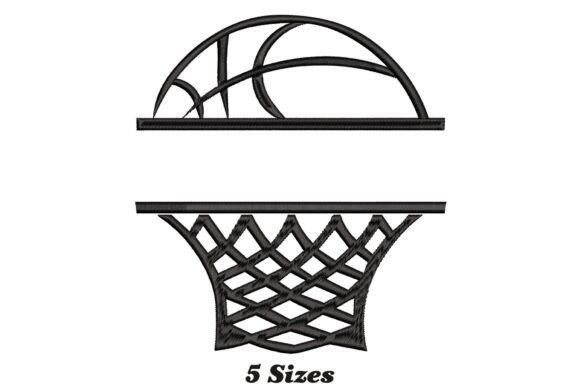
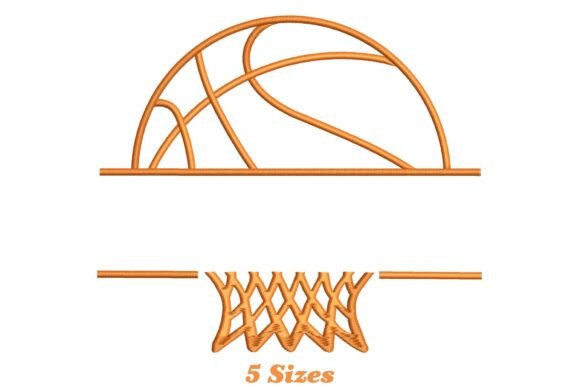
When I opened Basketball Monogram for the first time, I wasn’t expecting much beyond a literal basketball + initials combo—but what landed on my screen felt more intentional than that. It’s not cartoonish or overly athletic; instead, it balances sporty energy with quiet elegance. The monogram letters sit confidently inside or beside a stylized basketball motif—clean curves, subtle texture in the stitch lines, and just enough detail to read clearly at 3–4 inches wide. It doesn’t scream “team spirit” so much as “thoughtfully personalized.” That distinction matters—especially if you’re stitching for boutique baby gifts, modern gym bags, or small-batch kitchen towels.
A Real Project Test: Custom Tote Bags for a Local Youth League
Last week, I used Basketball Monogram on a set of cotton canvas tote bags for a community youth league’s end-of-season gift program. We embroidered each bag with a player’s first initial and last name’s first letter (e.g., “J.M.”) alongside the basketball icon. On medium-weight fabric with tear-away stabilizer, the design stitched cleanly—no puckering, no thread breaks. The satin stitch on the basketball’s outer ring held crisp definition, while the fill stitch in the monogram letters stayed legible even at 2.75 inches tall. What surprised me was how well it translated across age groups: parents loved the polish on adult-sized totes, and coaches appreciated how gently it read on smaller bags for 8-year-olds—no visual overload, no aggressive branding.
Where It Shines (and Where It Needs Care)
Basketball Monogram works beautifully for:
- Custom apparel—especially sweatshirts and structured tees where the design sits flat and reads clearly;
- Home goods like tea towels, pillow covers, and aprons, where its balanced proportions avoid looking “tacked on”;
- Personalized gifts, including baby onesies (use soft stabilizer and gentle hoop pressure), holiday stockings, or graduation caps;
- Etsy listings and craft fair products, because it feels handmade without sacrificing polish—ideal for buyers who want personality *and* professionalism.
But here’s where attention matters:
- Stretchy fabrics (like jersey knits) need cut-away stabilizer—and test stitching. The basketball’s curved outlines can distort if tension isn’t dialed in.
- Dark or textured fabrics may mute fine details. I recommend testing thread colors: a matte navy or charcoal thread often reads better than black on deep indigo denim.
- Small hoop sizes (< 4" x 4") require checking whether the full monogram + basketball fits comfortably. Some versions of this design extend slightly—don’t assume it’ll auto-scale down without losing clarity.
- Caps and curved surfaces benefit from repositioning the monogram to sit higher on the front panel—avoid placing the basketball motif right over the crown seam, where distortion is inevitable.
Design Integrity Meets Customer Trust
As an embroidery designer who sells digital embroidery files and custom-stitched goods, I pay close attention to how a design affects perceived value. Basketball Monogram lands on the right side of that line: it looks considered, not generic. When customers see it on a finished product—a linen pillow cover, a twill apron, a hand-stamped-and-embroidered baby blanket—they don’t think “clip art.” They think “made for them.” That subtle lift in perceived craftsmanship directly supports pricing confidence, repeat orders, and word-of-mouth referrals.
It also holds up well in mockups. Whether I’m prepping an Etsy listing or pitching to a local boutique, Basketball Monogram translates cleanly into printable mockups—no fuzzy edges, no awkward spacing between letters and icon. That consistency makes it reliable for branding across multiple product types without needing redesigns.
Practical Designer Notes Before You Stitch
Before using Basketball Monogram in your next project—or listing it as part of your craft business inventory—here’s what I always do:
- Test on scrap fabric first, especially if switching from cotton to terry cloth or performance knit;
- Check thread color contrast in natural light—not just on screen. A bright orange thread might pop on white but vanish on ecru;
- Review stitch density. If the fill areas feel heavy for lightweight fabric, consider reducing density by 5–10% in your embroidery software;
- Confirm hoop size compatibility—some machines handle tight corners better than others, and dense satin stitch near curves can cause skipped stitches if the design wasn’t digitized with machine variance in mind;
- Inspect small details like the basketball’s pebbling or monogram serifs—if they’re too fine for your thread weight (e.g., 60wt on a bulky towel), simplify or omit;
- Test black-and-white mockups to assess balance and hierarchy—does the basketball compete with the letters, or support them?
- Use proper stabilizer: tear-away for stable wovens, cut-away for knits, and water-soluble topping for terrycloth or looped textures;
- Verify licensing terms before selling finished items or bundling the file commercially. Since the description says “machine embroidery design,” assume it’s for personal and small business use—but always double-check.
Final Thought: A Quiet Workhorse, Not a Flashy Gimmick
Basketball Monogram won’t dominate your portfolio with shock value—but it will earn repeat use. It’s the kind of embroidery file that disappears into the product just enough to feel intentional, yet stands out enough to spark a smile. For Etsy sellers stitching personalized gear, small shop owners building cohesive seasonal collections, or designers sourcing reliable digital embroidery files for client work, it’s a quietly confident choice. It fits the Sports category without leaning on cliché—and delivers real-world versatility for embroidery projects that balance personality, practicality, and polish.